
Session Timeout Settings in Razor Returns Platform for UK Safety
LuckyWins Casino Enables You to Uncover World Class Casino Action in Canada
June 23, 2026Buffalo Bingo Forms Meaningful Connections with UK
June 23, 2026Session Timeout Settings in Razor Returns Platform for UK Safety
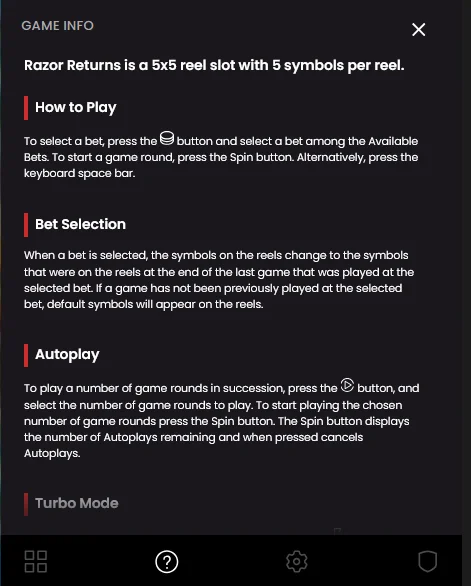
In examining session timeout settings in Razor Returns Platform, we find a vital layer of security designed to protect users during online transactions. These settings automatically end sessions after a set period of inactivity, which can markedly reduce the risk of unauthorized access. However, the effectiveness of these measures hinges on user experience and compliance with regulatory standards. Let’s explore how these elements intertwine and what best practices may enhance security further.

Key Takeaways
- Razor Returns Platform allows users to configure session timeout settings to improve safety while complying with UK data protection regulations.
- The recommended session duration typically ranges from 5 to 30 minutes to improve online security against unauthorized access.
- Users receive notifications before session termination, ensuring they have the opportunity to save their work and maintain security.
- Implementing session timeouts reduces risks associated with device theft and unattended sessions, reinforcing account integrity effectively.
- Continuous review of session activity and adjusting timeout policies establishes a proactive approach to safeguarding user information in the UK.
What Are Session Timeout Settings?
When we reflect on online security, session timeout settings arise as an crucial first line of defense. Session timeout definitions refer to the automatic termination of a user’s session after a designated period of inactivity. This mechanism acts as a safeguard against unauthorized access, particularly for sensitive data. Establishing appropriate session duration guidelines is crucial; we should generally aim for a balance that lowers risk while preserving user convenience. For instance, a common recommendation is to set timeouts between 5 to 30 minutes, depending on the sensitivity of the information being protected. By complying with these guidelines, we enhance our overall online security posture, making it more hard for malicious actors to exploit inactive sessions.
Importance of Session Timeout in Online Transactions
In online transactions, session timeout settings are vital for safeguarding sensitive information and minimizing fraud risks. By automatically logging users out after a period of inactivity, we can significantly reduce the chances of unauthorized access. Let’s look at how these practices not only protect individual users but also enhance overall security for digital platforms.
Protecting Sensitive Information
As we move through the complexities of online transactions, implementing session timeout settings becomes vital in safeguarding sensitive information. These settings play a crucial role in preventing data breaches and ensuring robust user authentication. By automatically logging users out after a set period of inactivity, we reduce the risk of unauthorized access.
Consider the following benefits of session timeout settings:
- Minimized exposure
- Enhanced security
Implementing these measures not only fosters trust but also enhances the security of our online environments.
Reducing Fraud Risks
While we often concentrate on the various methods to detect and stop fraud, the importance of session timeout settings in online transactions cannot be ignored. These settings act as a crucial line of defense against unauthorized access during idle periods. By enforcing shorter session timeouts, we improve fraud detection capabilities, as users are required to re-authenticate after set inactivity. This proactive approach not only aids in transaction monitoring but also lowers risks related to session hijacking and credential theft. Additionally, regular audits and adjustments to session timeout policies allow us to stay ahead of developing threats. Ultimately, a strong session timeout strategy is essential for reducing fraud risks and protecting customer trust in the digital landscape.
How Razor Returns Slot Implements Session Timeout
When assessing session timeout functionalities, Razor Returns Slot efficiently prioritizes user security by utilizing a solid mechanism optimized for ideal performance https://razorreturnscasino.uk. Our session management system utilizes advanced security protocols to assure that user sessions are diligently monitored and terminated after a predefined interval of inactivity. This preventive approach protects sensitive data and lowers the risk of unauthorized access.
Key features of our implementation include:
- Configurable timeout duration
- Automatic logout
User Experience and Session Timeout Settings
Understanding how session timeout settings impact user experience is critical for enhancing security without sacrificing usability. We’ve found that well-timed session expirations can considerably elevate user retention and encourage positive user feedback. By carefully integrating session timeout into our interface design, we guarantee that users remain engaged without feeling rushed. Additionally, considering mobile usability is important—users expect seamless interactions across devices. Balancing session engagement with efficient consent management becomes essential; we must communicate transparently about timeouts without overwhelming users. Ultimately, our approach should promote a secure environment while fostering a user-friendly experience, assuring that users feel comfortable and informed throughout their interaction with the system. This balance drives satisfaction and enhances overall platform loyalty.
Impact of Session Timeout on Data Security
Session timeout settings are critical for implementing effective risk mitigation strategies, as they prevent unauthorized access during inactivity. We need to take into account how these settings not only enhance security but also guarantee compliance with regulations governing data protection. Balancing user experience and stringent security measures can help us achieve the desired level of data integrity.
Risk Mitigation Strategies
Although we often overlook its importance, session timeout settings play a crucial role in mitigating risks associated with data security. By carefully managing session duration and implementing effective timeout triggers, we can greatly enhance the protection of sensitive information.
Here are three strategies we should consider:
- Define Ideal Session Length
- Implement Idle Timeout Triggers
- Monitor Session Activity
Compliance With Regulations
Effective session timeout settings don’t just boost data security; they also align with various compliance requirements that govern data protection in the UK. By implementing suitable timeout durations, we diminish unauthorized access during inactive sessions, crucial for meeting regulatory compliance standards outlined in legal frameworks such as the General Data Protection Regulation (GDPR). Adhering to these frameworks doesn’t just protect user data; it also helps us avoid considerable penalties from regulatory bodies. In addition, the integration of solid session management practices guarantees that we’re not only compliant but also fostering trust with our users. In a landscape where data breaches can disrupt organizations, reinforcing our session timeout strategy is an important step toward maintaining both security and legal obligations.
Best Practices for Effective Session Timeout Management
When managing session timeouts, we must consider a balance between security and user experience. Effective timeout strategies improve user authentication while safeguarding sensitive data. Here are some best practices we should implement:
- Determine optimal session duration
Future Trends in Session Timeout Policies
As technology evolves, we must anticipate shifts in session timeout policies that address emerging security challenges and user expectations. We’re observing significant session management trends where organizations are adopting more dynamic timeout settings based on real-time user behavior and risk assessment. These advancements in session security will likely include adaptive timeouts that lengthen or shorten based on user interactions and environmental factors. In addition, we’ll see increased integration of biometric authentication and machine learning to improve session security while enhancing the user experience. By staying ahead of these developments, we can create more secure digital environments that align with both regulatory compliance and user satisfaction. Adopting these future-focused strategies will be essential in maintaining robust security postures.
Conclusion

In conclusion, establishing session timeout settings is essential for safeguarding personal data in online transactions. At Razor Returns Slot, we focus on a balanced approach that enhances user experience while maintaining robust security standards. By proactively addressing potential risks and informing users about session expirations, we foster trust and compliance with regulatory requirements. As we continue to adapt to evolving security landscapes, it’s important to embrace best practices for effective session timeout management, ensuring the safety of our users remains a top priority.
